// the_story
48 Hours
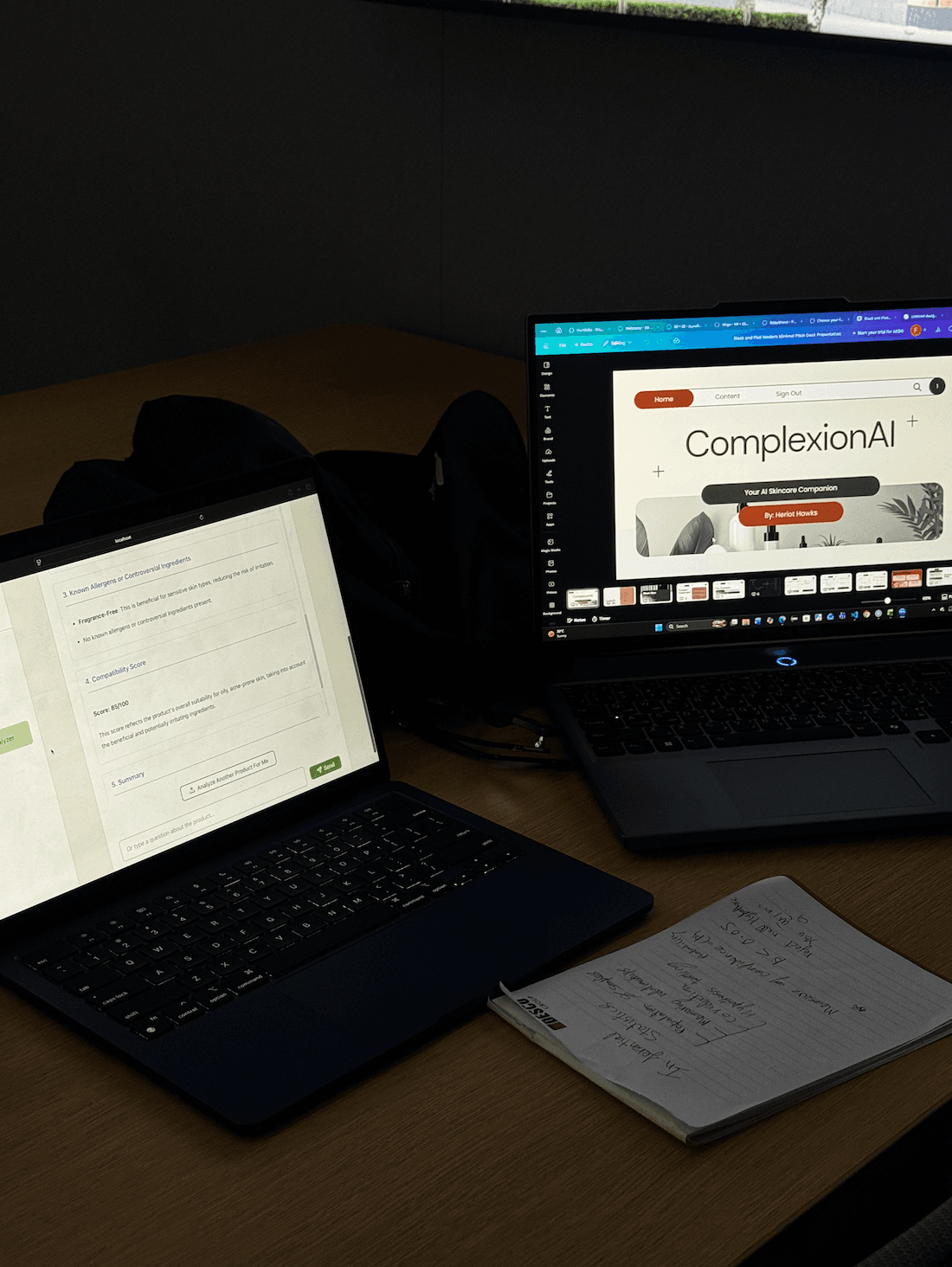
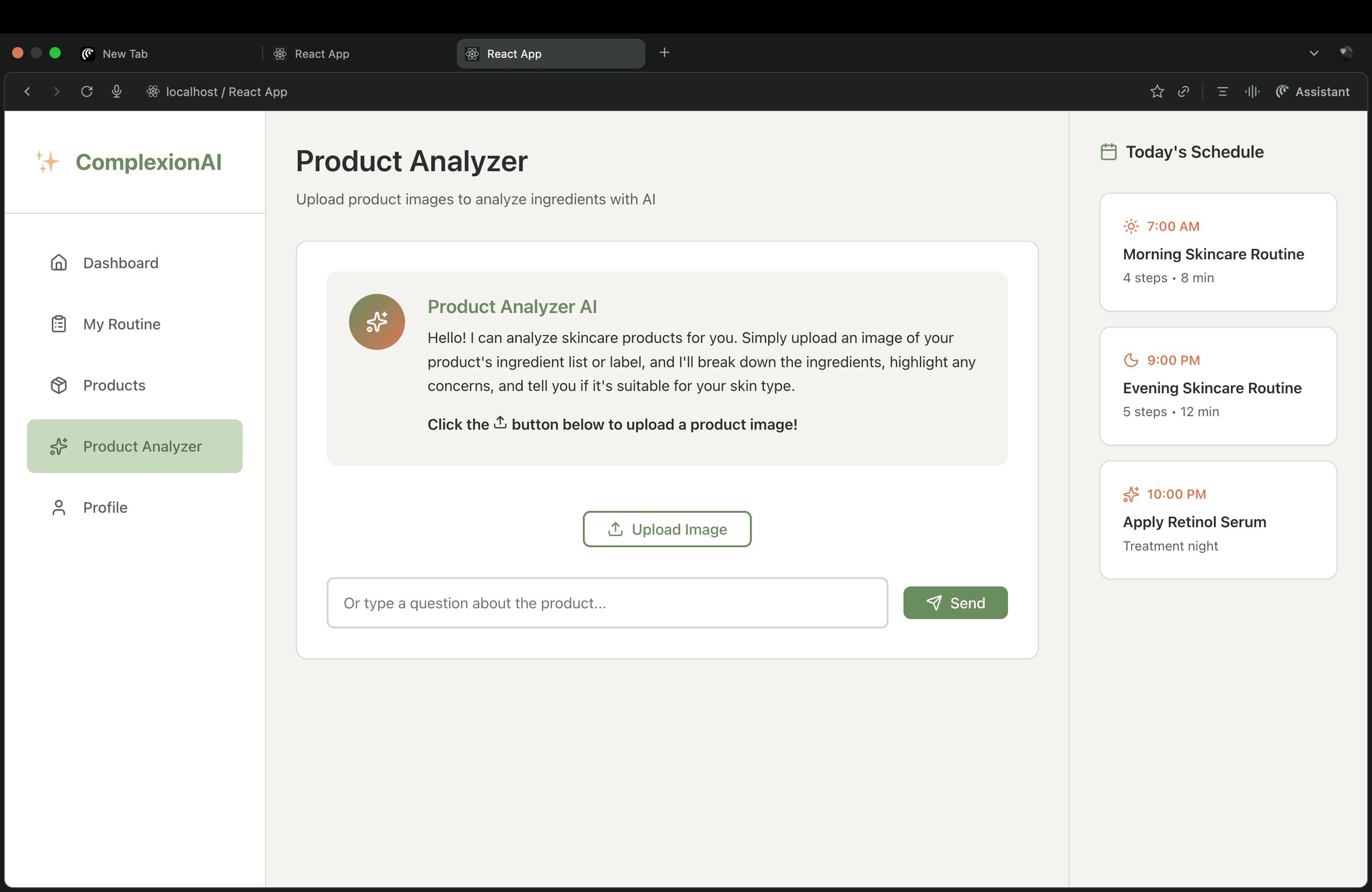
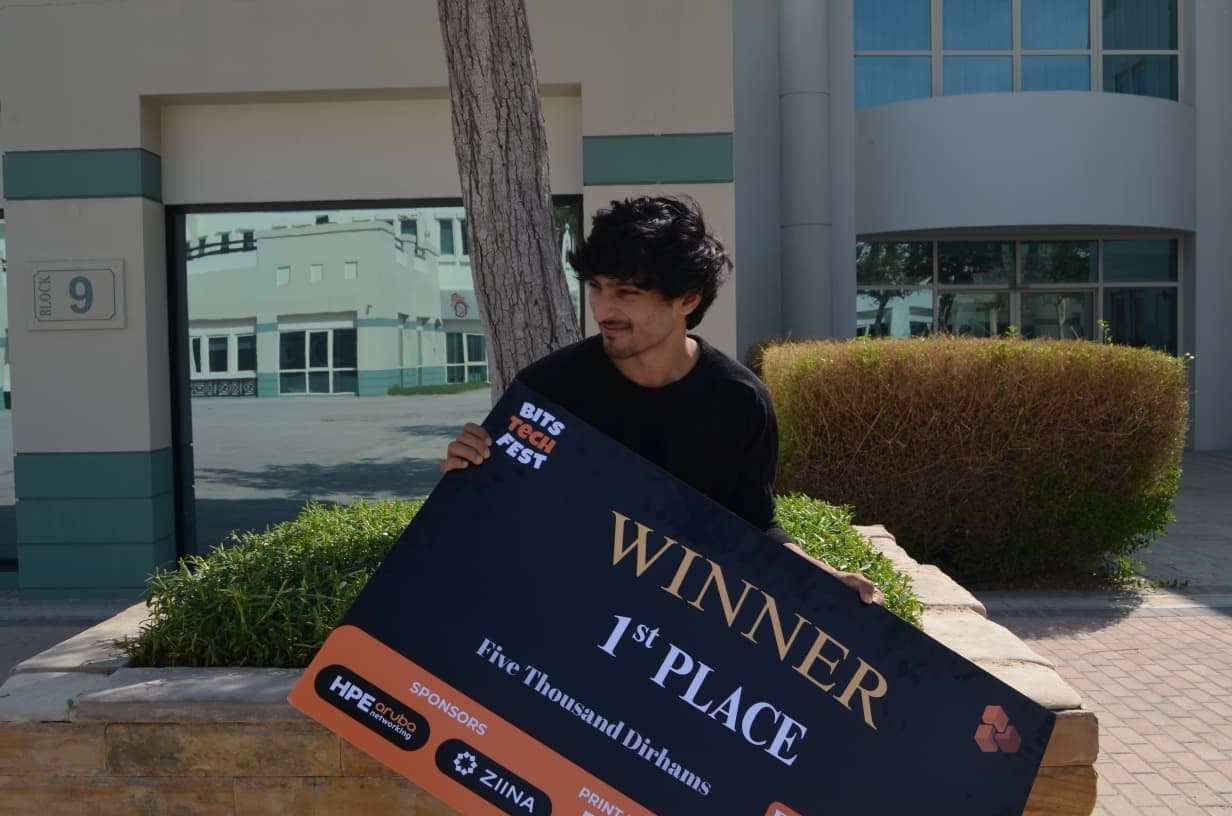
BITS Pilani Dubai. 48-hour hackathon. 100+ teams from across the UAE. My team — four third-semester CS students — walked in with an idea and walked out with first place. ComplexionAI: an AI-powered skincare assistant that analyzes your skin concerns and the products you're actually using, and tells you what's working, what isn't, and why.
The Gap We Found
The skincare industry has a specific problem: the divide between dermatological science and cosmetic branding is wide, and the person in the middle — the user — usually has no idea what they're putting on their face. Doctors prescribe products; brands market them; neither explains the ingredient list in plain language.
ComplexionAI sits in that gap. You scan a product, OCR extracts the ingredient list, GPT-4 analyzes it against your skin type and concerns — dry, oily, acne-prone, dull — and returns a personalized breakdown of what's helping, what's potentially irritating, and what you should know before reapplying tomorrow morning. Not a replacement for a dermatologist. A starting point that makes the visit smarter.
The Build
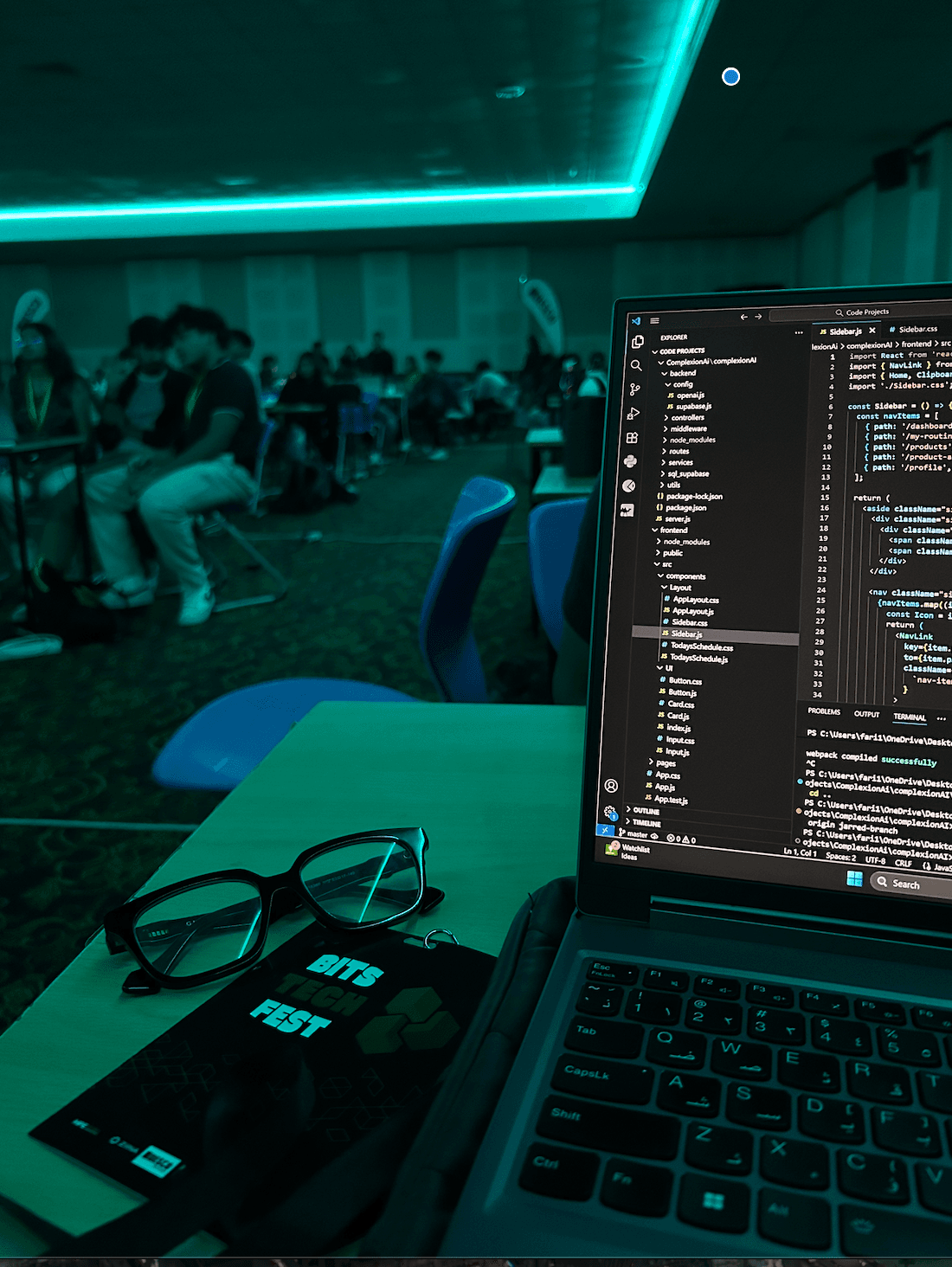
React frontend. Node.js + Express backend. OCR for ingredient extraction. GPT-4 for analysis. In 48 hours, with third-semester students, that is the correct stack — no debate. Fine-tuning a model on dermatology literature over a weekend isn't a plan, it's a fantasy. The GPT wrapper was the right call for the MVP.
We were upfront about the limitations — and specific about what production would look like: a fine-tuned model trained on actual dermatology datasets, a RAG architecture with graph vector retrieval, a multi-agent system with an orchestrator, generator, and critic. The judges saw a working demo and a credible roadmap. That combination won the room.
Three Rounds, One Weekend
The hackathon ran three elimination gates: ideation and business model canvas, technical MVP demo, final pitch to a jury panel. Three minutes to present. Two-minute Q&A after. Four exhausted third-semester students on stage in front of judges, demoing a live product that had existed for less than 48 hours.
Getting through all three in a single weekend is where most teams break — the idea that sounds sharp at midnight looks fragile when a panel is asking about scalability at noon the next day. We didn't break.
We won.
My dad asked me not to build something that takes away his job. I started with dermatology. I'm working my way up slowly — he can relax for now.
What I Learned
- A credible roadmap beats a polished prototype. We shipped a GPT wrapper and said so out loud. What won was the combination: a working demo that proved we could ship, and a specific vision — RAG, fine-tuning, multi-agent — that proved we knew what comes next.
- 48 hours teaches you what matters fast. Under that pressure you stop debating architecture and start building. That instinct — bias toward shipping — has carried into every project since.
- The gap between branding and science is a real product opportunity. Expensive products, unreadable ingredient lists, no translation layer. ComplexionAI was a weekend prototype but the problem it targets is genuine.
- Team selection is a technical decision. A working product in 48 hours doesn't happen without the right four people. Farida, Juan, and Jerob — that win is theirs as much as mine.
First hackathon. First place. Third semester. Some memories you don't need a demo to recall.